As a B2B buyer sourcing car jump starters, you're likely focused on key specifications: Peak Amps, battery capacity (mAh), and unit price. While these numbers are important, they only scratch the surface. The real determinant of a jump starter's performance, safety, and longevity lies hidden inside the casing—in the quality of its core components.
Not All Batteries Are Equal What B2B Buyers Need to Know About Jump Starter Components
As a B2B buyer sourcing car jump starters, you're likely focused on key specifications: Peak Amps, battery capacity (mAh), and unit price. While these numbers are important, they only scratch the surface. The real determinant of a jump starter's performance, safety, and longevity lies hidden inside the casing—in the quality of its core components.
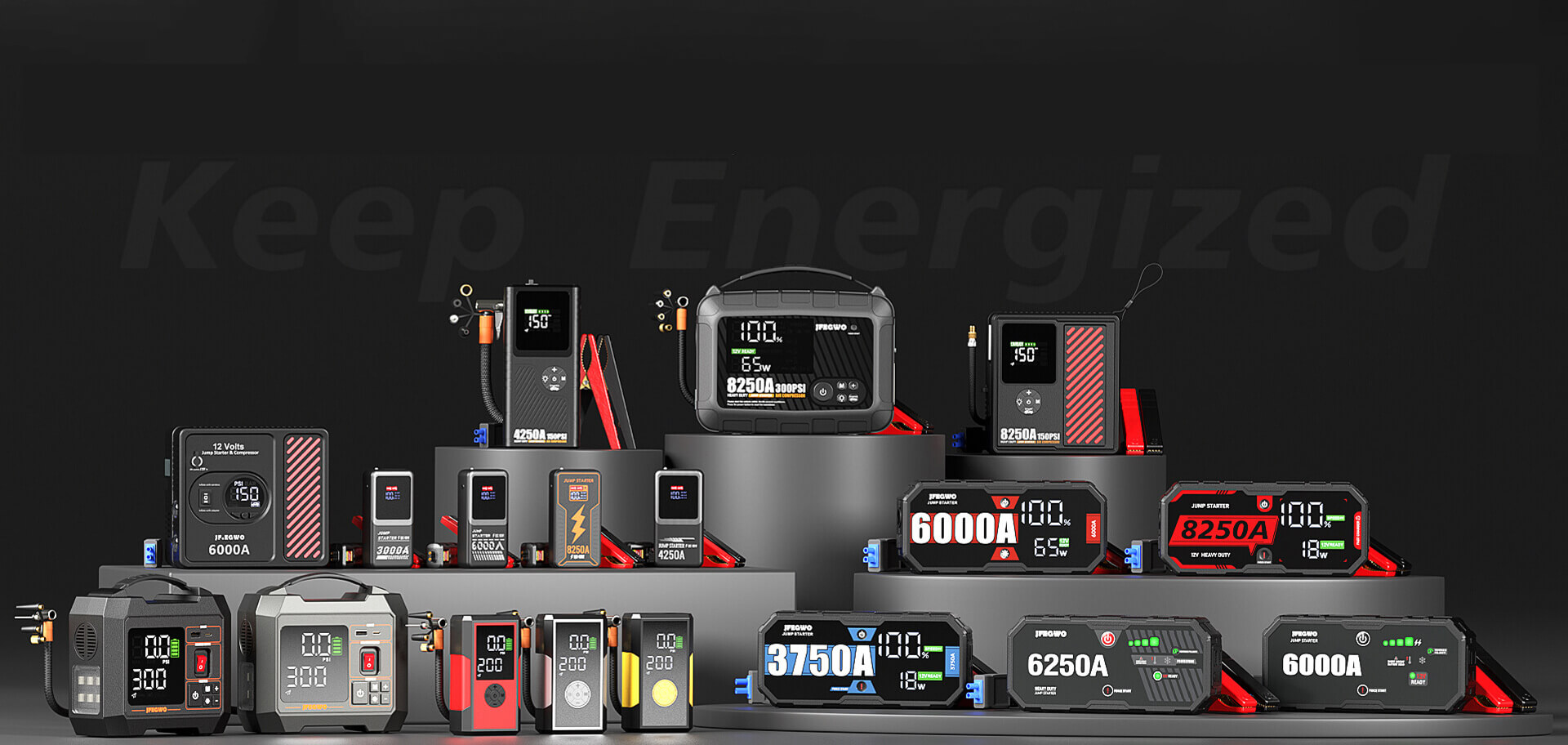
Two jump starters with identical specs on paper can perform drastically differently in the real world. The difference comes down to the quality of the battery cells, the intelligence of the safety circuitry, and the construction of the clamps and cables.
At jfstarter, we believe an informed partner is a successful partner. This guide will take you "under the hood" to reveal what truly separates a premium, reliable jump starter from a low-cost, high-risk alternative.
1. The Heart of the Unit: The Lithium-Polymer Battery Cell
The battery cell is the single most critical component. Its quality dictates everything from cranking power to shelf life. When vetting a supplier, you need to ask specifically about the grade of their cells.
- A-Grade Cells: These are brand new, top-quality cells from reputable manufacturers. They undergo rigorous testing to ensure they meet exact specifications for capacity, internal resistance, and discharge rate (C-Rate). A-grade cells deliver consistent power, have a long cycle life (hundreds of charges), and perform reliably in a wide range of temperatures.
- B-Grade or Recycled Cells: To cut costs, some manufacturers use cells that failed to meet A-grade standards or were salvaged from other products. These cells are inconsistent, have a much shorter lifespan, and are significantly more prone to failure, overheating, and other safety hazards.
What to Ask: "What grade are your battery cells, and can you provide testing data on their cycle life and C-Rate?" A premium supplier will proudly confirm their use of A-grade cells.

2. The Brain of the Operation: The Battery Management System (BMS)
A modern jump starter is more than just a battery; it's a smart device. The "brain" is the Battery Management System (BMS), an intelligent circuit board that protects the user, the vehicle, and the jump starter itself.
A high-quality BMS provides a suite of essential safety protections:
- Short-Circuit Protection: Prevents dangerous sparks and battery damage if the clamps touch.
- Reverse Polarity Protection: Prevents damage to the car’s electronics and the jump starter if the clamps are connected to the wrong battery terminals.
- Over-Current Protection: Stops the unit from delivering too much power, protecting both the battery and the vehicle.
- Over-Discharge Protection: Preserves the battery's health by preventing it from being drained too low.
- Over-Heat Protection: Monitors temperature and will shut the unit down before it reaches a dangerous level.
Without a sophisticated BMS, a jump starter is a significant liability. Low-cost units often use rudimentary circuits that offer minimal protection, putting your customers at risk.
3. The Delivery System: Smart Clamps and Cable Gauge
The power generated by the battery is useless if it can't be delivered safely and efficiently to the vehicle's battery. This is where the clamps and cables are crucial.
- Smart Clamps: The visible part of the safety system. The housing on quality clamps contains the circuitry, lights, and buzzers that provide the user with real-time feedback and enforce the safety protections from the BMS.
- Cable Gauge (AWG): A lower AWG number means a thicker, more conductive cable. Thicker cables (e.g., 8 AWG) transfer power more efficiently with less heat buildup compared to thinner, cheaper cables (e.g., 10 or 12 AWG). This directly impacts the jump starter's ability to deliver its advertised peak amps.
- Clamp Construction: Look for sturdy clamps with a strong spring and copper teeth for a secure, low-resistance connection to the battery terminal.
The jfstarter Commitment: A Synergy of Quality Components
At jfstarter (www.jfstarter.com), we understand that a product is only as strong as its weakest link. That's why we build our jump starters with an uncompromising commitment to quality at every level:
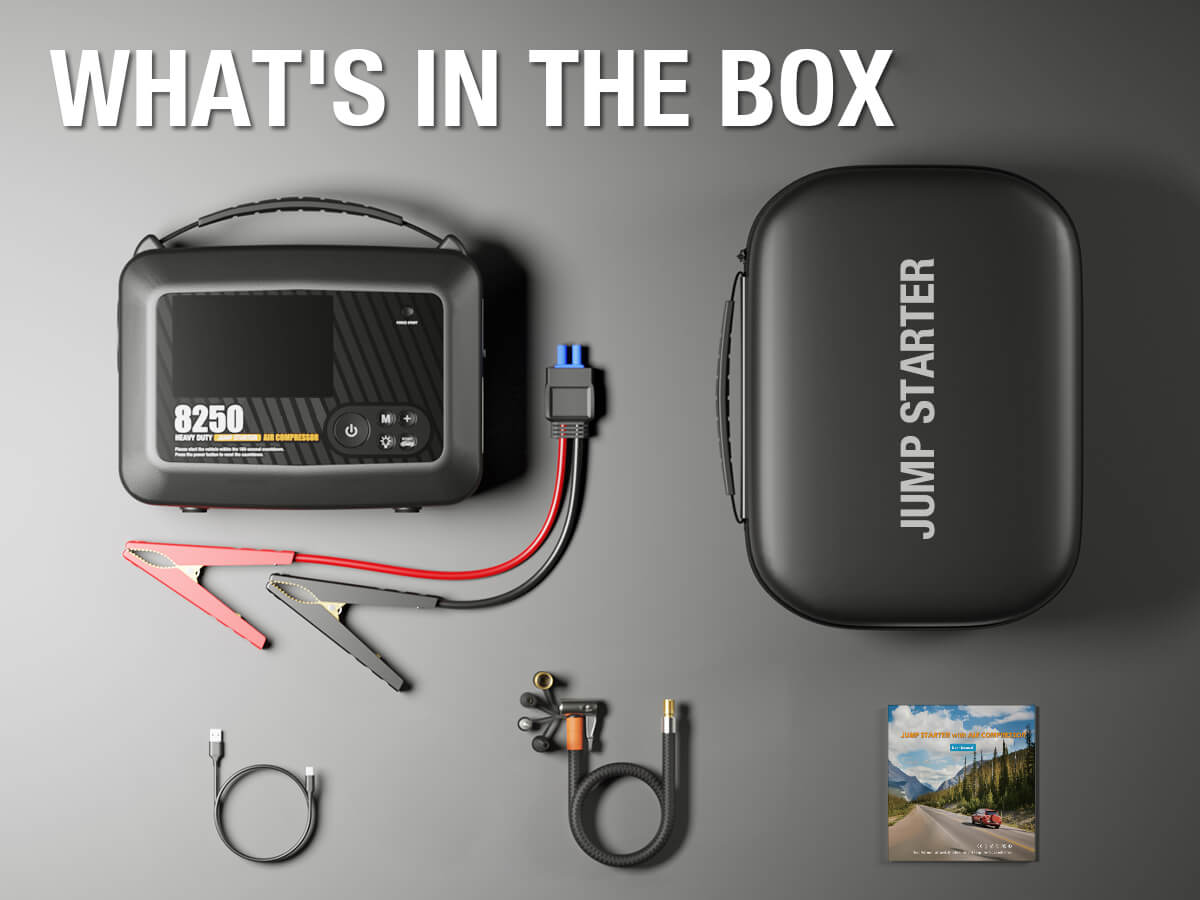
- We exclusively use A-Grade lithium-polymer cells to ensure maximum power, safety, and a long service life for your brand's products.
- Our advanced BMS integrates multiple layers of protection, giving your customers the safety and confidence they expect from a premium product.
- We use heavy-gauge cables and robust, intelligent clamps to guarantee that the power on the inside is delivered effectively on the outside.
When you're comparing jump starter suppliers, look beyond the numbers on the spec sheet. Inquire about the components inside. A supplier's investment in high-quality internals is a direct investment in your brand's reputation and your customers' safety.
Don't leave your brand's quality to chance. Contact jfstarter today to learn more about our premium components and how we can build a superior product for your market.
