JFStarter provides industrial OEM jump starters engineered for integration into heavy equipment, material-handling fleets and stationary industrial systems. Our industrial oem jump starters combine scalable high-capacity production, industrial-grade safety and a baseline 12‑month warranty with expanded enterprise support options.
JFStarter provides industrial OEM jump starters engineered for integration into heavy equipment, material-handling fleets and stationary industrial systems. Our industrial oem jump starters combine scalable high-capacity production, industrial-grade safety and a baseline 12‑month warranty with expanded enterprise support options. This article outlines manufacturing capacity, platform options, compliance, NPI flow, warranty and commercial terms to help engineering and procurement teams evaluate JFStarter as a long‑term OEM partner. Request an OEM Capacity Sheet to review line counts, lead times and sample availability.
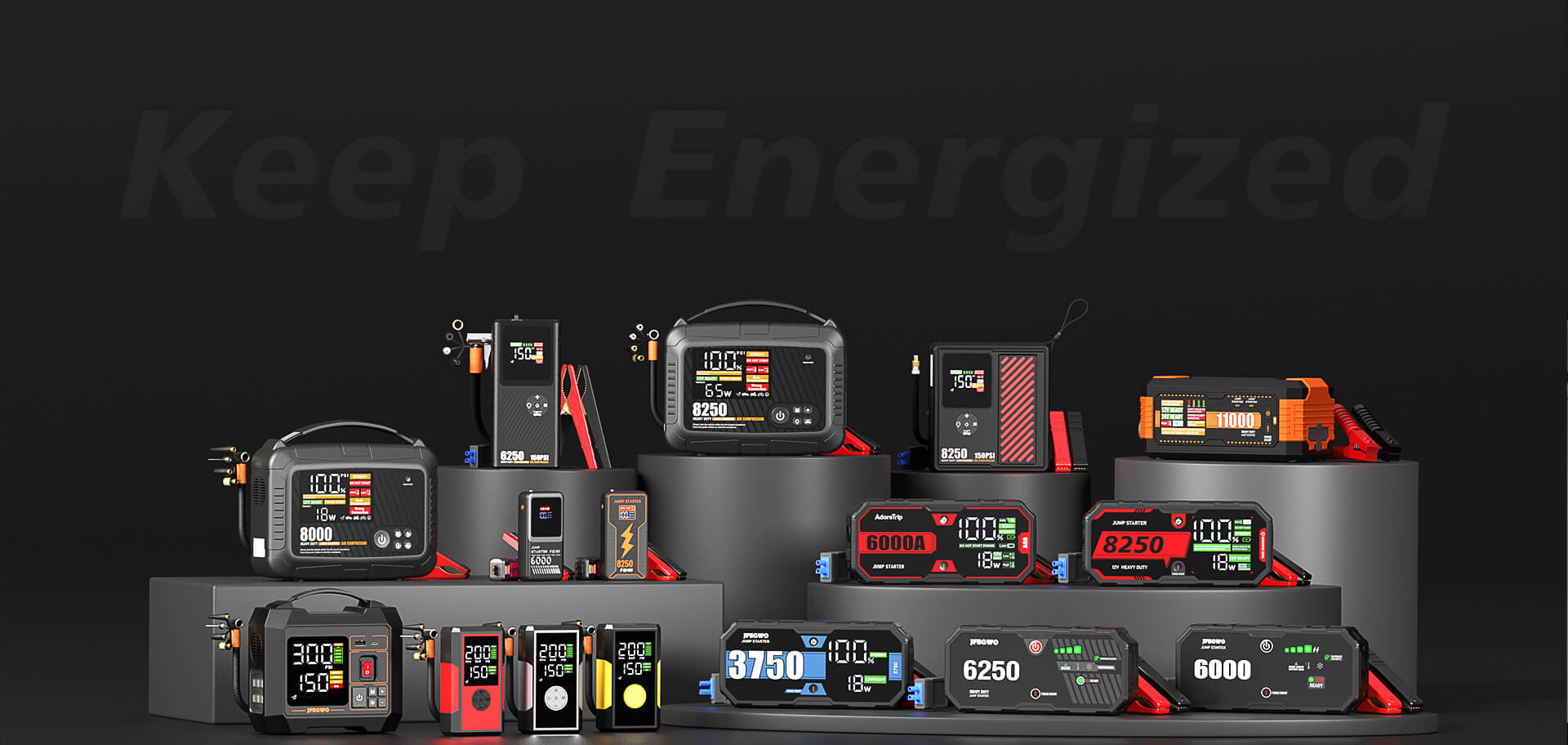
Production capacity & scalability
JFStarter operates dedicated battery assembly lines and SMT/pack testing cells designed for high-volume OEM programs. Typical monthly throughput ranges:
- Pilot/samples: 50–500 units per month
- Volume production: 5,000–50,000 units per month (scalable with dedicated shifts)
- Surge capacity: short-term ramp to +30% via overtime and additional stations
We offer committed capacity windows and contractual minimums for multi‑year programs. Typical ramp schedule: prototype (2–4 weeks) → pilot (4–8 weeks) → mass production (30–60 days after pilot approval). Tooling/mold lead times and MOQ for custom enclosures are discussed upfront to align NPI schedules with your production forecasts.
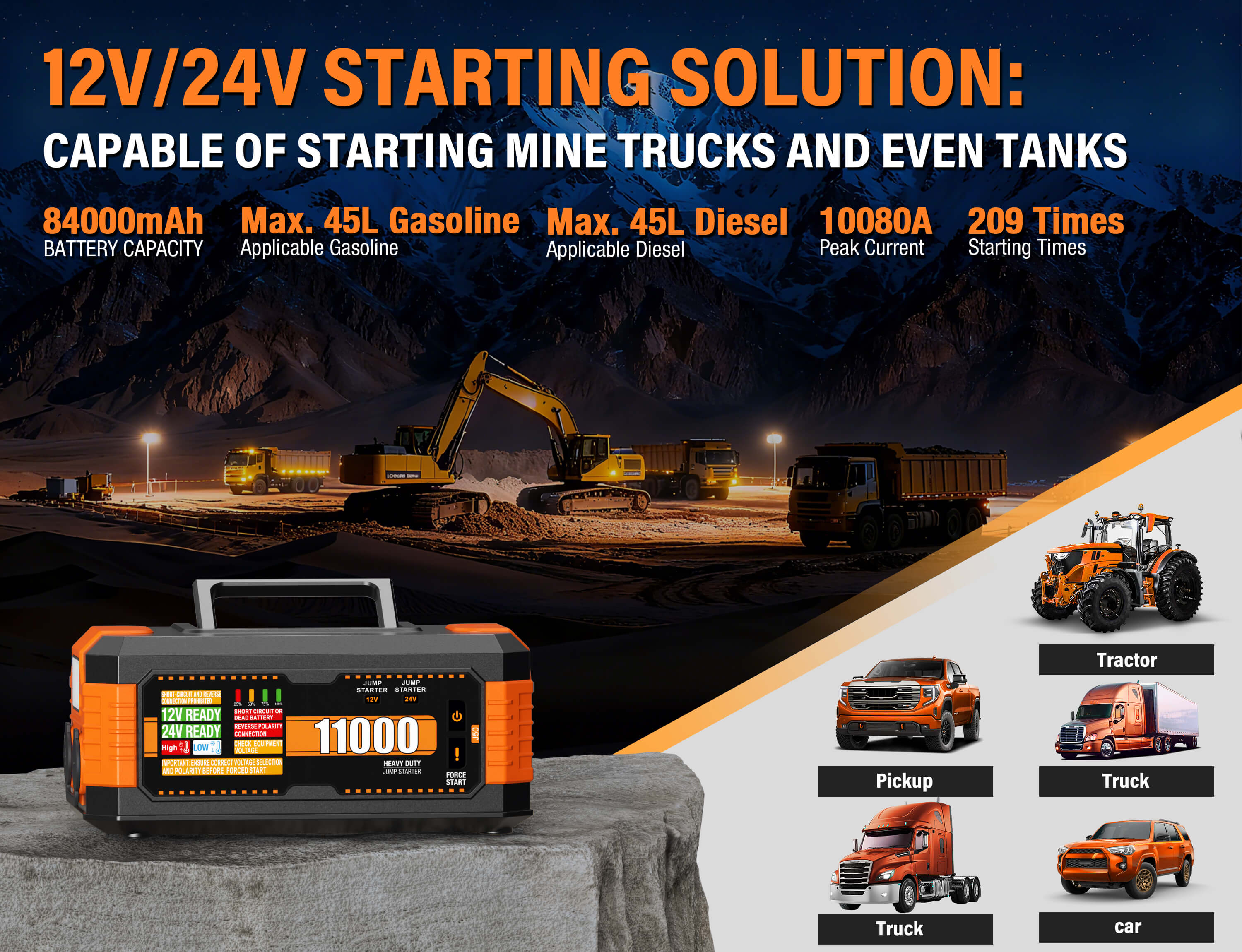
Battery platforms & high‑capacity options
Industrial applications need choices across energy density, cycle life and thermal stability. JFStarter supports:
- Li‑ion (high energy density) and LiFePO4 (higher cycle life and thermal stability)
- Pack sizes from ~100 Wh to 600+ Wh for heavy cranking and multi‑start duty
- High-cranking designs delivering sustained peak amps appropriate for large engines or repeated starts
- Modular architectures for rack or under‑chassis integration and hot‑swap systems
Cell sourcing transparency and second‑source strategies are standard: we supply cell manufacturer data and dual‑sourcing options to reduce supply risk.
Manufacturing quality, certifications & compliance
For industrial OEMs we maintain factory-level quality systems and product certifications:
- Factory: ISO9001; IATF16949 support available for automotive-adjacent programs
- Product/transport: UN38.3, IEC/EN 62133, CE, RoHS; UL listings (e.g., UL 2743/2054) available on request
- QC gates: incoming materials inspection, in-process electrical checks, environmental stress screening, functional test benches and final AQL sampling
- Traceability: serial numbering, batch test archives and production genealogy to support warranty claims and recalls
Warranty, service and after‑sales support (12+ month focus)
Standard OEM warranty begins at 12 months; enterprise programs commonly extend to 24–36 months. Key elements:
- Coverage: cells, BMS electronics and workmanship; exclusions and end-of-life criteria defined in SLA
- SLA tiers: standard RMA (10–15 business days), expedited replacement (3–5 business days), advance replacement/on‑site swap for critical accounts
- Warranty administration: serial‑based claims portal, failure analysis workflow and repair-vs‑replace decision matrix
- Service add‑ons: extended warranties, preventative maintenance contracts, regional spares hubs and software/firmware update support
New product introduction (NPI) & customization
Our NPI flow supports tight integration with OEM timelines:
- Phases: requirements & CAD review → electrical/thermal prototyping → EMC/functional testing → pilot validation → PPAP/production
- Customization: enclosure materials, mounting kits, connector types (e.g., custom flanged connectors, vehicle harnesses), firmware interfaces (CAN, Modbus, CANopen)
- Co‑engineering: joint reliability testing, defined acceptance criteria, change‑control process and tooling cost transparency
- Tooling costs, minimums for custom SKUs and lead times are included in the OEM capacity packet.
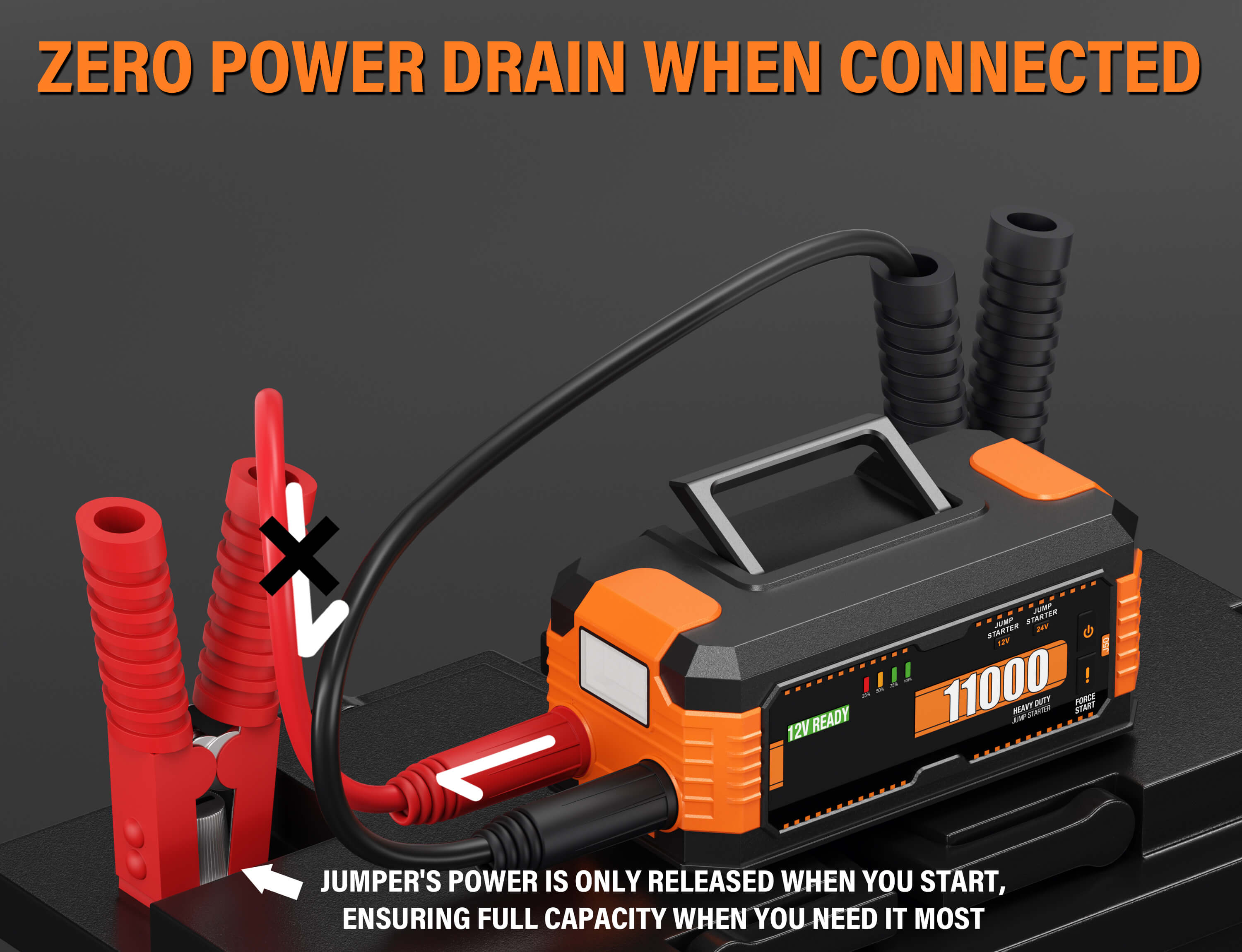
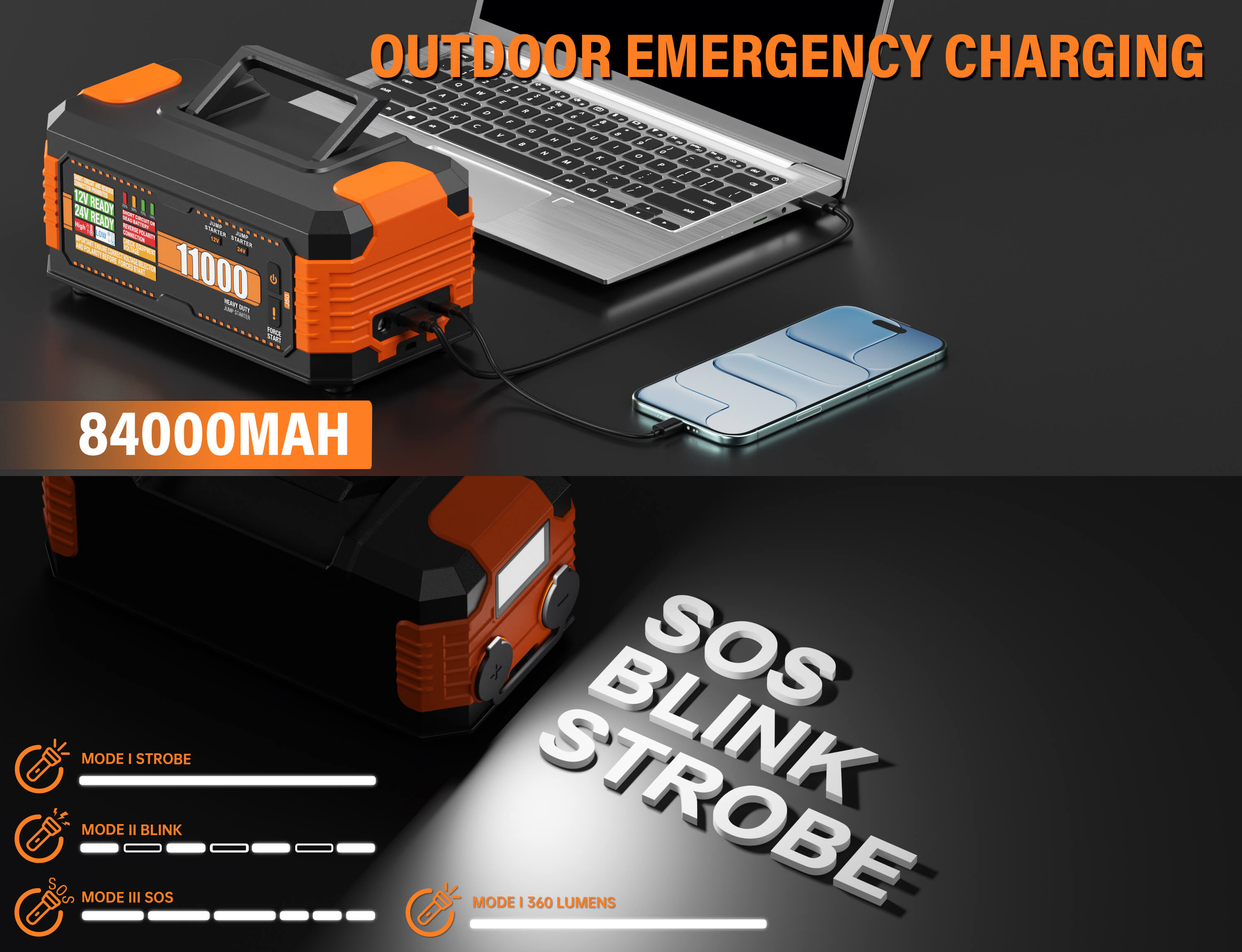
Testing, QC data & reliability metrics
Industrial buyers require quantifiable reliability. Deliverables typically include:
- Tests: extended cycle life (target cycles to X% capacity), repeated cold‑crank sequences, thermal abuse, vibration and shock, high duty‑cycle soak tests
- Metrics: MTBF/MTTR estimates, expected cycle life, batch failure rates and field reliability percentages
- Evidence: signed third‑party lab reports (SGS/TÜV/Intertek), serialized test photos, video of witnessed tests and retained destructive samples for audit
Supply chain risk mitigation & contractual protections
We design contracts to protect industrial programs:
- Dual‑sourcing, buffer inventory, and material escalation clauses to stabilize pricing
- Forecast cadence, replenishment SLAs and safety stock commitments
- Insurance & indemnity terms, recall readiness and contingency planning for force majeure events
Pricing, MOQ, lead times & commercial terms
Indicative commercial parameters (for budgeting; exact terms provided per RFQ):
- MOQs: sample/prototype orders available; typical custom SKU MOQ 300–2,000 units
- Pricing: depends on chemistry, capacity and customization—volume discounts at tier breakpoints
- Lead times: prototype (2–4 wks), pilot run (4–8 wks), mass run (30–60 days post-pilot)
- Payment terms, escrow options for initial orders and long‑term price adjustment mechanisms are negotiable for multi‑year contracts.
Packaging, logistics & dangerous goods compliance
We provide industrial shipping options:
- Packaging: palletized crates, depot rack kits, locker-ready shipments with serialized labeling and inventory mapping
- DG compliance: UN38.3 documentation, MSDS, battery declarations and coordination for IATA/IMDG carriage
- Depot/reverse logistics: spare pools, RMA flows and refurbishment/repair pathways
Procurement & supplier vetting checklist
When vetting OEM suppliers request:
- Factory certificates (ISO9001/IATF16949), production capacity evidence, recent industrial references
- Full QC packs: UN38.3, cycle data, batch test photos and serialized sample test logs
- Validation steps: factory audit, third‑party inspection, pilot fleet run with witnessed tests and acceptance criteria
